Influencer Fatigue Is the Opportunity
Influencer Fatigue Is the Opportunity:
Influencers aren’t going anywhere, but the current playbook is wearing thin. Audiences are tired, but they’re not tuning out. The pipeline from influencer to mainstream talent is starting to feel predictable, even as the industry keeps forcing it forward. Case in point: when Jake Shane covered the Vanity Fair Oscars red carpet, the backlash was immediate – why are influencers replacing trained journalists?
At the same time, execs are under pressure to chase relevance in real time. A couple weeks ago, we wrote about how Reality TV is now a launchpad for cultural capital, and increasingly, a talent pipeline into scripted. For example, Summer House stars Paige DeSorbo and Hannah Berner were cast and tapped as EPs in a new Netflix series from Amy Poehler and Kay Cannon, which raises the question: is this smart evolution, or are we shortcutting craft in favor of...clout?
And the stakes aren’t just creative, they’re reputational. One resurfaced controversy can quickly escalate from a talent issue into a full-scale brand liability, impacting not just a show but the entire franchise (see: The Bachelorette pulled days before air, burning millions in the process).
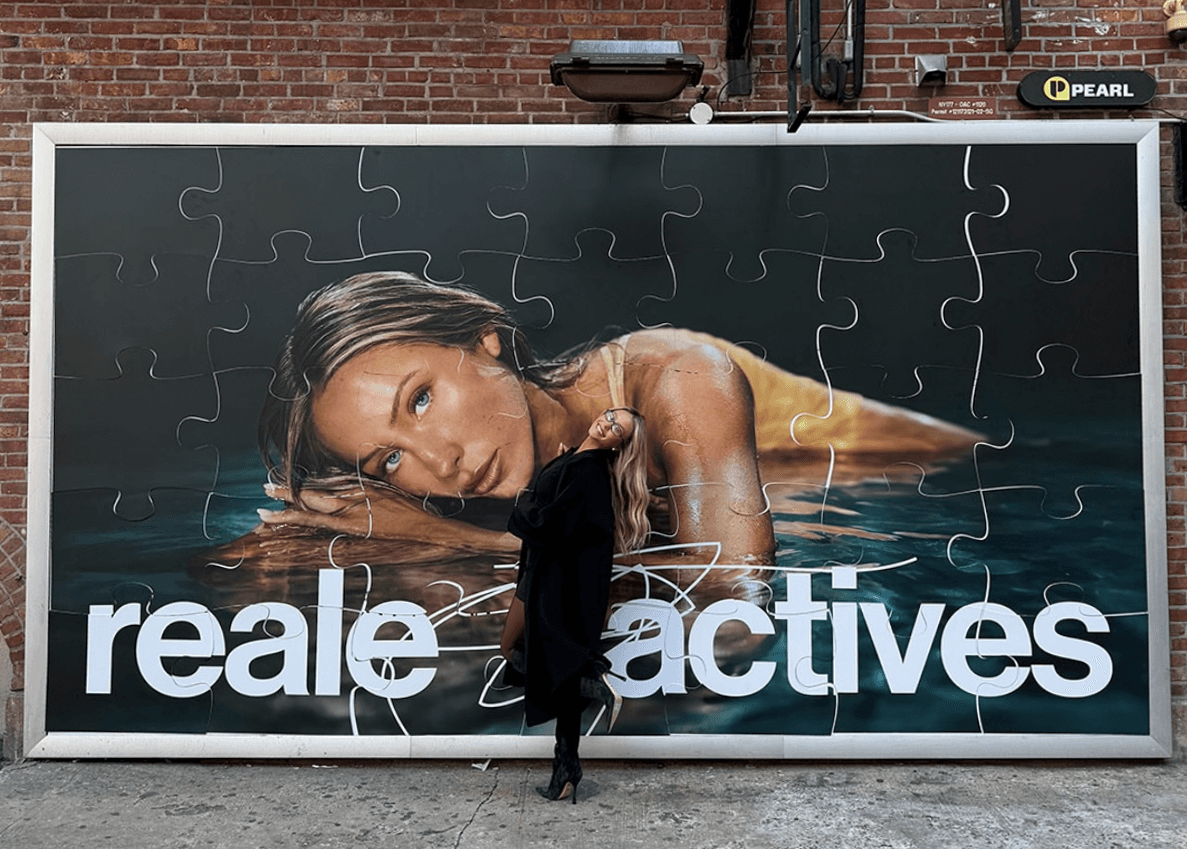
The playbook is being rewritten in real time. But earlier this week, influencer Alix Earle showed what getting it right actually looks like. A creator known for pioneering the “Get Ready With Me” format, she didn’t launch her new skincare brand, Reale Actives, with a post, she built a narrative people had to chase.
She started by launching a secret stan-esque account (“@wtfisalixdoing”), seeding cryptic content with no explanation. Then she activated her inner circle, sending influencer friends locked silver suitcases, each with a single puzzle piece they were encouraged to share online. As those pieces circulated, the full puzzle came together on a NYC billboard in real time. Once it was solved, the influencers unlocked their suitcases and introduced the product to their audiences at scale.
When the reveal hit, the secret account merged into @RealeActives and gained 800K+ followers in 24 hours, driven almost entirely by participation and word of mouth. This is where most campaigns get it wrong, and why this one worked. Earle didn’t just use influencers, she aligned them around a clear, simple mission and spoke in a language her audience already understood.
For entertainment marketers, the takeaway isn’t “do a scavenger hunt.” It’s this:
Give talent / creators a clear role in the story, not just something to post
Let the audience discover, instead of over-explaining
Build connected campaigns, not one-off moments
Influencer fatigue isn’t about rejecting creators, it’s about rejecting transactional execution that treats social personalities like traditional media placements. The next wave of influence won’t be defined by who’s involved, but by how it’s brought to life.

More articles