Beyond the Screen

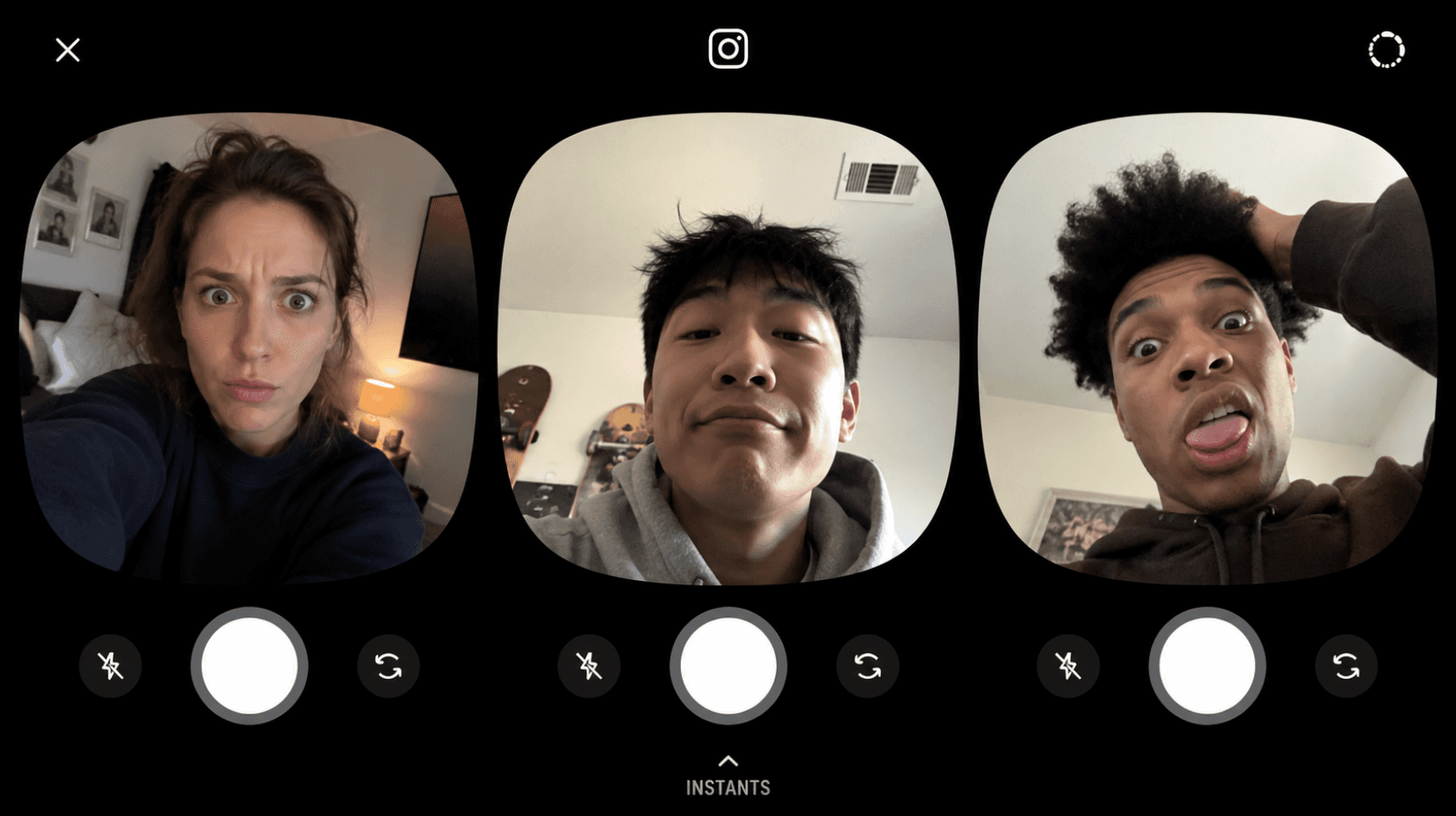
It’s been announced that Meta will implement platform restrictions for teens: daily limits, overnight blocks, school hour limits, in addition to controls on algorithms, feeds, and engagement metrics. Without YouTube and TikTok on board, it’s likely these restrictions will simply drive daily usage from Meta to these other platforms – or in traditional teen fashion, give way to savvy workarounds.
Does this change everything? No. We live in a moment where, simply put, everything is content. If this regulatory scrutiny spreads to the wider social media landscape, it could. And couple that with a brewing narrative around the “fatigue of influencers,” and we certainly might be at a pivot point of attitudes toward, usage of, and affinity for social content.
As the powers that be begin to regulate access to digital media, today’s newsletter is a roundup of 6 emerging spaces with fun creative potential to plus up campaigns by making an impression beyond screens:
Hacky Sacks, yup, but conceptually: As back to school picks up, it’s not just Y2K JanSport backpacks on campus – or even seniors re-using their little-kid themed backpacks from childhood – the Hacky Sack is a trending accessory. There was even a Hacky Sack shortage in the spring. This suggests to marketers that peer groups are interested in putting their phones down and doing something with their hands, together: think IP integrations with things like board games, trading cards, legos, puzzles, and related group analog activities.
Birdwatching, but as a metaphor this time: What began as a TikTok trend story during the pandemic has remained as a budding micro-hobby. Though still niche, its staying power is an indicator that audiences are eager to explore the spontaneity of the physical world: an opportunity for marketers to revisit the value of campaign scavenger hunts, easter egg OOH stunts, and similar tactics.
Nostalgia, but now make it timely: While the first wave of modern nostalgia revived early 2000s brands and styles among Millennials, Vogue reports a shift where it’s no longer about a look simply coming back but instead about refreshing nostalgic fashion brands through the lens of timely Entertainment. For example, the Peanuts collaboration from Tommy Hilfiger gives young audiences a fresh way into the revived brand through a trending cultural reference: a retail collaboration case study for any Entertainment campaign to consider in going to market.
The rise of the morning super routine: An evolution of GRWM content propelled by the burnout of hustle culture – young audiences are increasingly prioritizing their morning routines. In our aesthetic and wellness-driven culture, it’s not surprising to learn that young people are getting up earlier for a range of self-care before they tend to the day. This presents the opportunity to explore this underleveraged daypart as its own unique creative territory for marketing.
Hobby-oriented socializing: It’s been reported that the number of words a person says in a day is shrinking. To combat isolation, we’re seeing hobbies emerge as social lubrication for both romantic and platonic relationship-building beyond digital platforms: from run clubs to cooking and improv classes, and of course pickleball. This movement around Community-maxxing now presents tactical opportunities to reach and gather audiences.
Clothing repair: Today’s younger consumers only know a retail world dominated by fast fashion. Perhaps jointly driven by inflation and a built-in love for thrifting, there has been a rise in people wanting to learn how to repair and care for clothing. This growing creative pastime opens up new ways for Entertainment campaigns to activate audiences through CPG and merch extensions.

More articles